
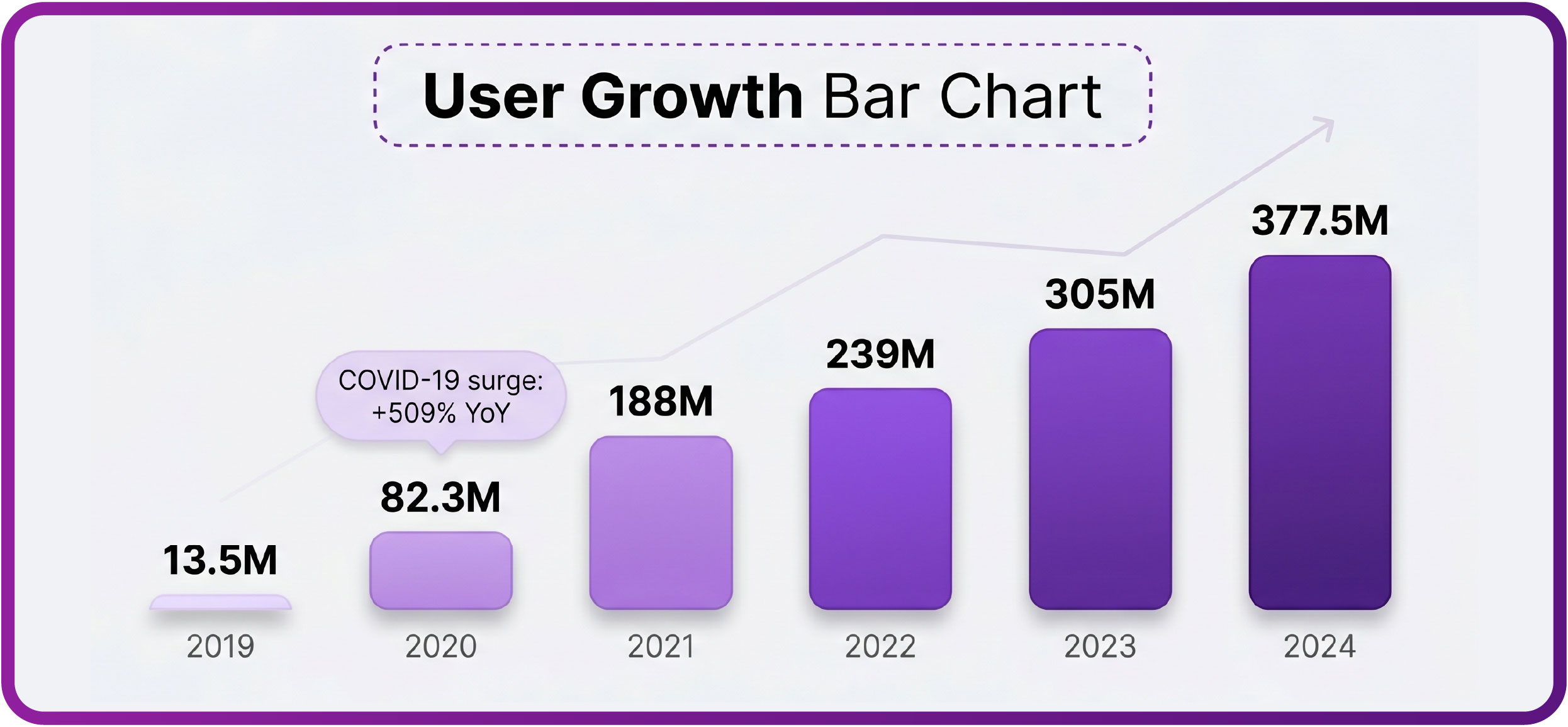
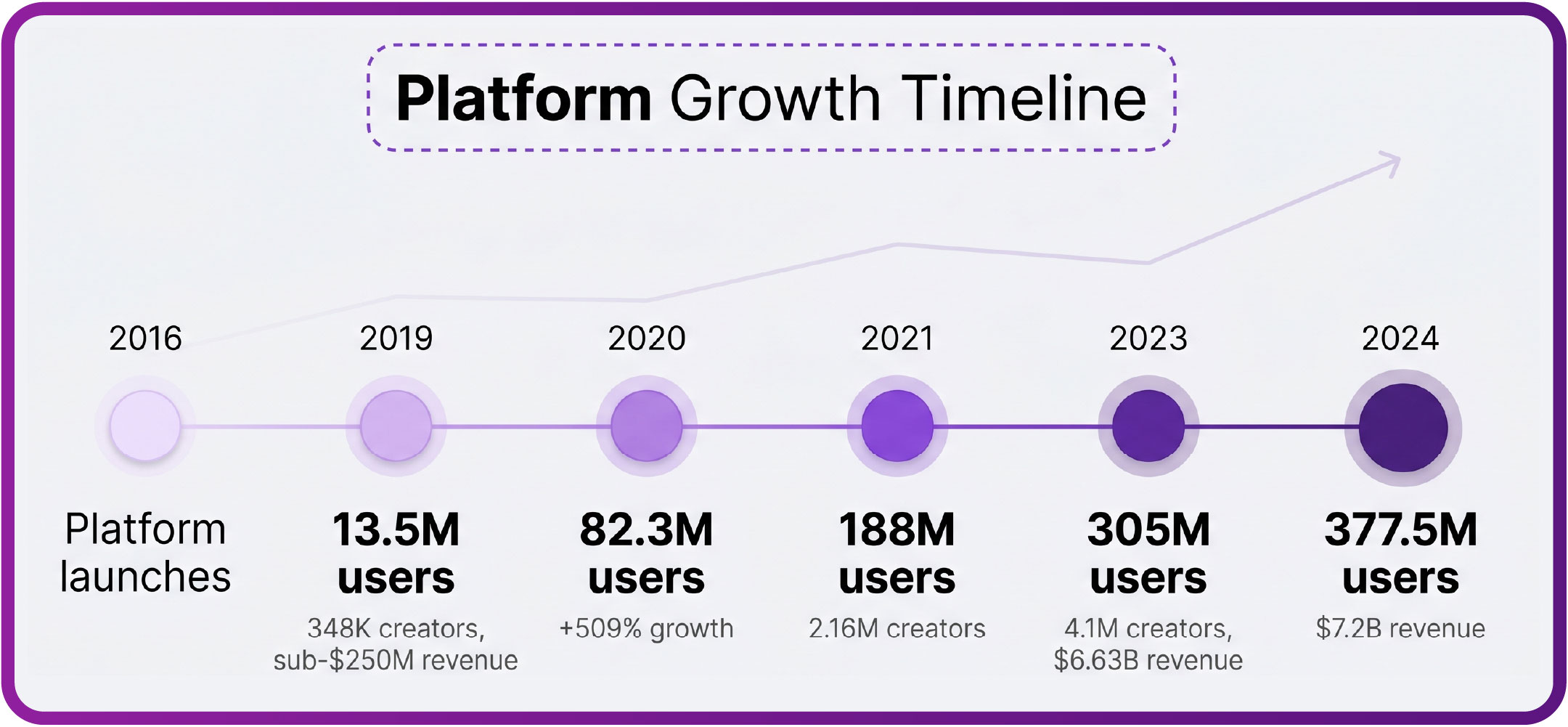
OnlyFans billing runs on a monthly renewal clock, and that clock behaves differently the moment a creator changes their base price. If you want to know exactly what happens to your money and your access when a subscription price shifts mid-cycle, the answer is a short chain of platform mechanics: notification, automatic renewal suspension, continued access for the period you already paid for, then a clean decision point. BestOnlyFans tracks these mechanics because they determine real spending, not just fine print. BestOnlyFans refreshes its rankings every month.
What changes is what happens at the next renewal — and in most cases, nothing happens automatically at all. The platform simply stops renewing and lets your access run out on schedule unless you act. The BestOnlyFans method stays consistent across updates.
The Exact Sequence of a Price Increase Notification
When a creator raises their subscription price, the platform does not apply the new rate to your existing arrangement. Instead, it treats the change as a new offer that requires your explicit consent.
Timing varies by region and by how the change is configured, but the pattern is consistent: you receive advance notice, an in-app alert fires the next time you open the relevant page, and a confirmation email lands in the address tied to your account. The notice period is designed to give you enough time to decide before the next renewal date arrives. Practically, that window is often quoted as somewhere between a week and a month depending on local digital subscription rules.
It is a consent request. Nothing is deducted when the notice arrives, and nothing is deducted when the new price takes effect unless you actively re-subscribe at the new rate.
| Event Stage | Timing | Subscriber Action Required |
|---|---|---|
| Creator sets new base price | Day 0 | None — change is recorded on the profile |
| Advance notice issued | Typically 7-30 days before the next renewal | Read the notice; confirm the new figure |
| In-app notification appears | Next session after the change | None — informational banner |
| Email confirmation delivered | Within the notice window | Check spam folders if it does not arrive |
| Auto-renewal suspended | Before the next scheduled charge | None — this is automatic |
| Current paid period continues | Until the paid period expires | None — access is preserved |
| Decision point | On the original renewal date | Re-subscribe at the new price or let access lapse |
Notice what the table does not contain: any line where money moves without your involvement. The whole sequence is built around stopping automatic behaviour and inserting a human decision.
Why Auto-Renewal Stops Automatically
The suspension of auto-renewal is not a bug or an oversight in the creator’s setup. It is a deliberate platform behaviour that activates whenever the base subscription price changes upward.
Four protections sit behind the mechanic, and each one maps to a real scenario a subscriber could otherwise face:
- Preventing an involuntary higher charge — you should never be billed more than you agreed to without a fresh confirmation.
- Ensuring explicit consent to the new pricing — a renewal is treated as a new agreement, not a continuation of the old one.
- Creating a natural review point — the suspension forces you to look at the subscription and decide whether it still fits your budget.
- Complying with digital subscription regulations — several jurisdictions require affirmative consent before recurring charges increase.
Tip: screenshot the notification email the day it arrives. The timestamp is the single most useful piece of evidence if a billing question ever arises, and it costs you five seconds.
Your subscription moves from “renewing” to “expiring,” and it stays in that state until you intervene.
Calculating Your Remaining Access Period
Your access does not shrink or stretch because of a price change — it simply runs to the end of the period you already paid for. The difficulty is that creators announce changes at different points in your personal billing cycle, so the remaining time varies widely from one subscription to the next.
Work through it in five steps:
- Identify your last billing date — the day the most recent charge was processed.
- Confirm the date you received the price change notice.
- Apply the notice period rules quoted in that message.
- Calculate the access end date, which is the original renewal date, not the notice date.
- Set a calendar reminder a few days before that date to make your re-subscription decision.
Two examples make the arithmetic concrete. If your renewal falls on the 12th and the notice arrives on the 3rd, you have roughly nine days of access left and a nine-day decision window. If your renewal falls on the 28th and the notice arrives on the 20th, you have eight days. In both cases the access end date is unchanged by the price increase itself.
Suppose a creator raises their price on the 15th and your renewal is the 12th of the following month. You paid for a full month at the old rate, and you receive a full month of access. The new price only ever applies to periods you explicitly buy after the change.
Re-Subscribing at New Rates: Timing Considerations
The question is whether to re-subscribe immediately at the higher price, wait, or walk away. Several factors shift that decision, and none of them are about loyalty — they are about value per dollar.
- New price affordability relative to your subscription budget as a whole.
- Content backlog value — how much unpublished material accumulated while you were subscribed.
- Creator activity level — posting frequency is the main driver of whether a renewal is worth it.
- Competing subscriptions already claiming space in your monthly budget.
- Promotional cycle alignment — new-subscriber discounts frequently appear at predictable intervals.
- Price stability history visible on ranking cards, which show whether a creator changes rates often.
Paid subscriptions on the platform sit between $4.99 and $49.99, with the bulk of them clustering in the $5-$10 band and typical paid pricing landing somewhere in the $4.99-$15 range. A jump from $6 to $12 is a doubling of your cost for that slot, and it is worth asking whether the content output doubled too.
If you are comparing options while deciding, browsing a curated index such as the best onlyfans free listings can show you what the same budget buys elsewhere before you commit to the new rate. Free pages set their price to $0 and monetise through pay-per-view messages and tips, so they are a genuinely different cost model rather than a cheaper version of the same one.
One more nuance: promotional first months can legally sit below $4.99 — a $3 first month is a common structure — but base prices cannot.
Tracking Fragmented Subscriptions in Personal Budgets
A price change turns one clean monthly line item into two messy ones: a partial period at the old rate and a possible new period at the new rate.
Four adjustments fix the tracking:
- Apply split-month allocation rules — log the final charge under the old price, then open a new line for the new price.
- Record partial credit for the interrupted access period so the gap month is not counted as a full subscription.
- Note the revised renewal date, because re-subscribing manually resets the cycle to the day you pay.
- Recalculate annual spending, since an interrupted cycle usually means eleven or twelve charges instead of a clean twelve.
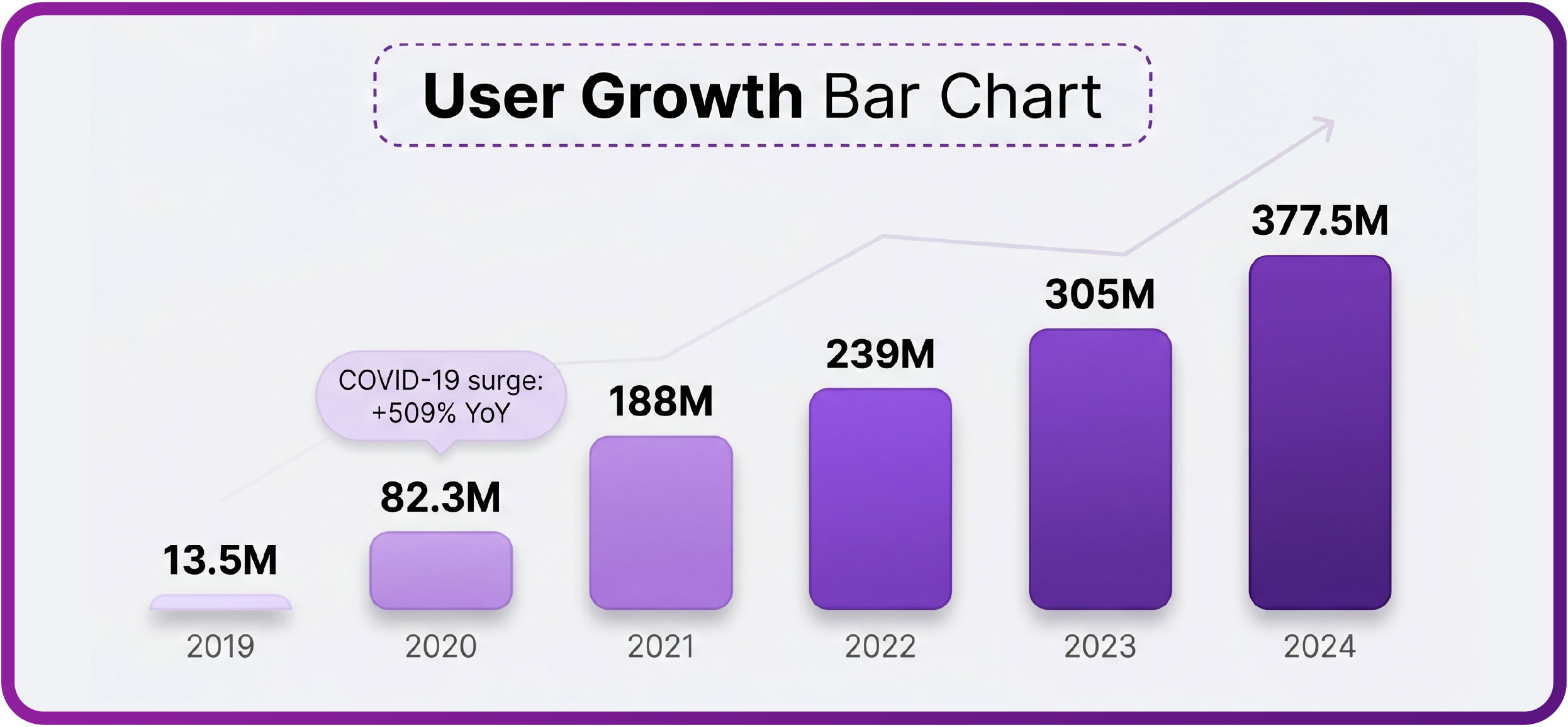
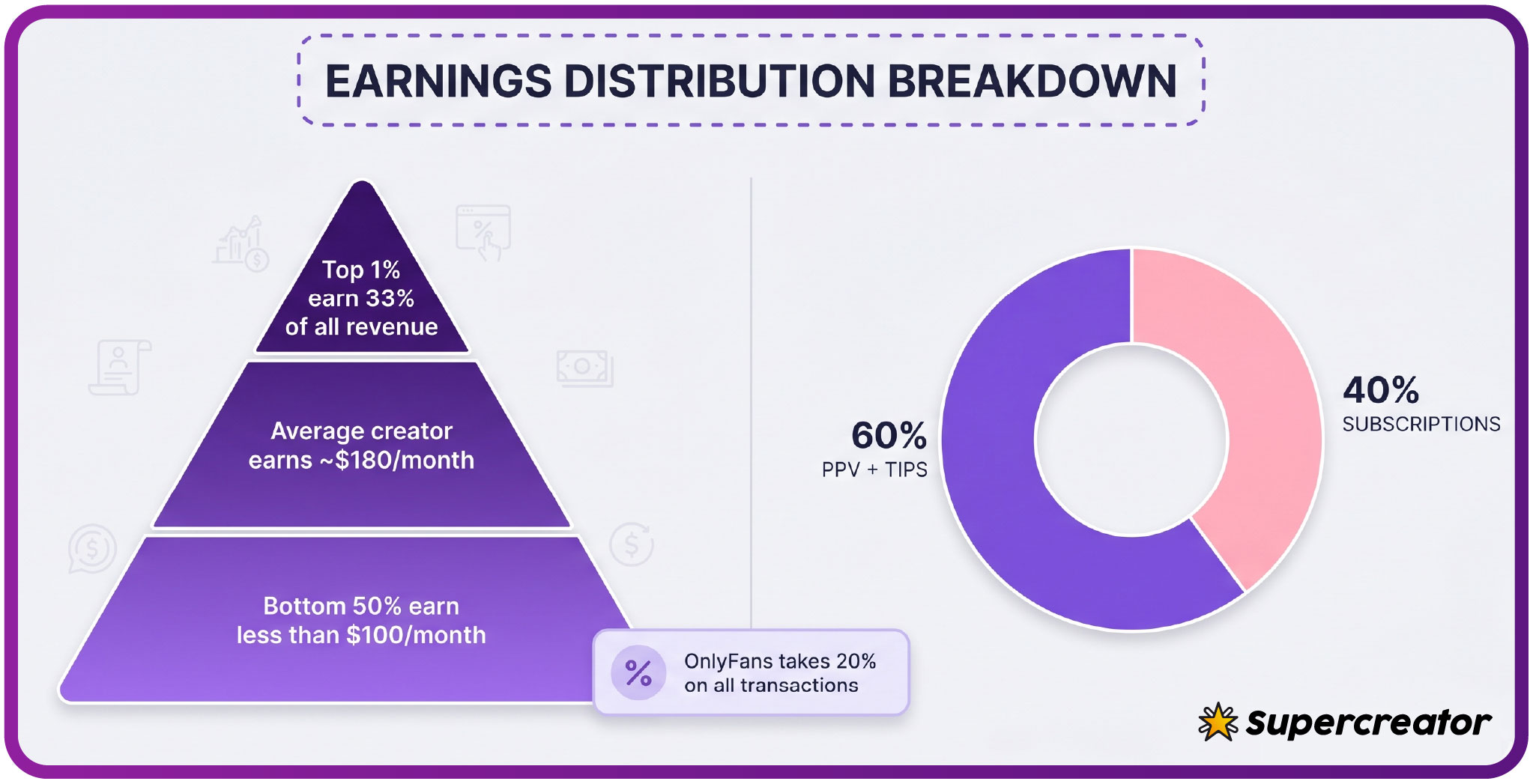
Pay-per-view messages unlock at up to $50, paid chat commonly runs $3-$5 per message, and tips can reach $100. The platform takes 20% of all of it and the creator keeps 80%, which is why creators lean on these channels when base prices rise.
When Creators Lower Prices: The Reverse Scenario
Price decreases behave asymmetrically, and this is where subscribers leave money on the table.
| Price Direction | Auto-Renewal Behavior | Subscriber Impact |
|---|---|---|
| Increase | Suspended automatically before next charge | Access continues until paid period ends; you must re-subscribe at the new rate |
| Decrease | Continues uninterrupted | Next renewal charges the lower amount automatically; no action needed |
| Promotional first month | Renews at the standard base price | First charge may sit below $4.99; later charges return to base |
The logic is straightforward. A decrease only lowers what you pay, so no consent is required and the renewal proceeds.
It also means a decrease is a good moment to check whether you are overpaying elsewhere. If a creator you follow drops from $12 to $8, other subscriptions at $12 deserve a fresh look at their posting frequency and price history.
Documenting Price Changes for Refund Eligibility
Disputes are rare during a price transition, but they are far easier to resolve when you have kept records. The platform’s support process works from timestamps and confirmations, so your evidence set matters more than your description of events.
Preserve five things:
- The original subscription confirmation showing the price you agreed to.
- The price increase notification email, unedited, with headers intact.
- The access end confirmation or the last date access worked.
- Screenshots of any attempted re-subscription that failed or charged unexpectedly.
- Support ticket timestamps for every message you send.
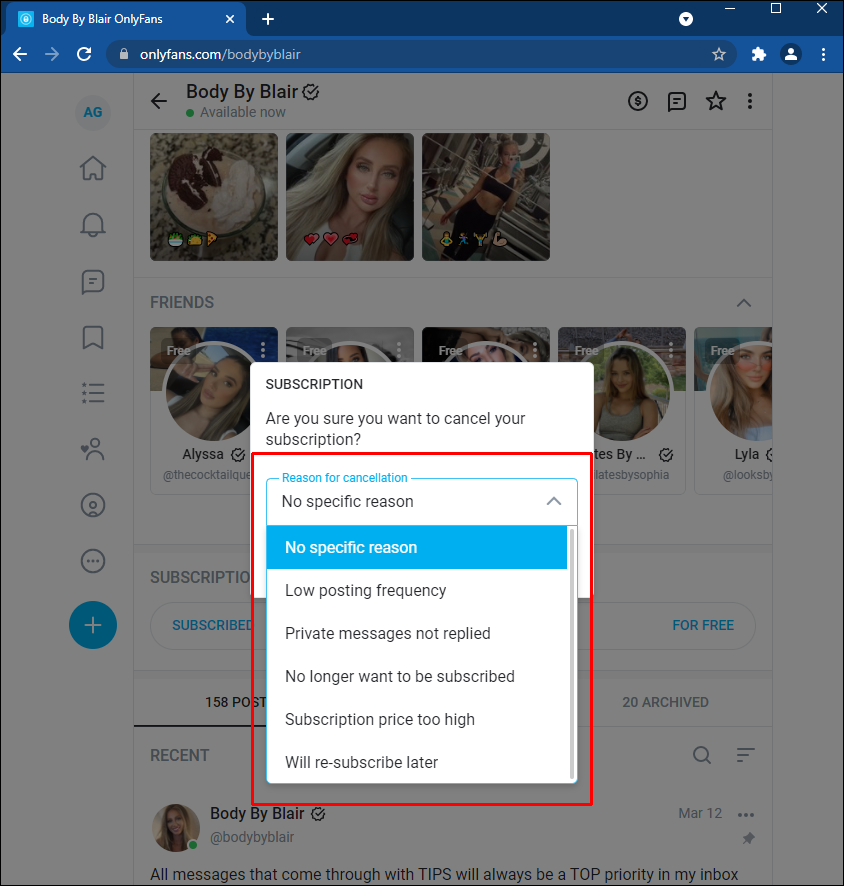
One billing detail worth knowing for disputes: card verification places a $0.10 hold that is refunded within days. It is not a subscription charge and should never appear in your dispute summary as one.
Also note that if access fails during a transition period, the failure is usually a payment method issue rather than a platform error.
FAQ
Does a price increase affect my current month’s access?
No. The period you already paid for runs to its original end date at the price you agreed to. The new rate only applies to periods you buy after the change takes effect, and only if you actively re-subscribe.
Can I negotiate a price directly with the creator?
Base subscription prices are set by the creator and are not individually negotiable through the platform. Some creators offer promotional first months or discounted bundles, but these are configured for all subscribers rather than negotiated one-to-one.
What happens if I miss the re-subscription window?
You can re-subscribe at any later point, though the renewal date will reset to the day you pay. Nothing is charged while you are lapsed, and the creator’s profile remains visible so you can decide when it suits your budget.
Why do some price changes take effect faster than others?
Notice periods vary by region and by local digital subscription rules, and creators can sometimes schedule changes with different lead times. The mechanics are identical either way — notice, automatic renewal suspension, access until the paid period ends, then your decision.
